Partner Program
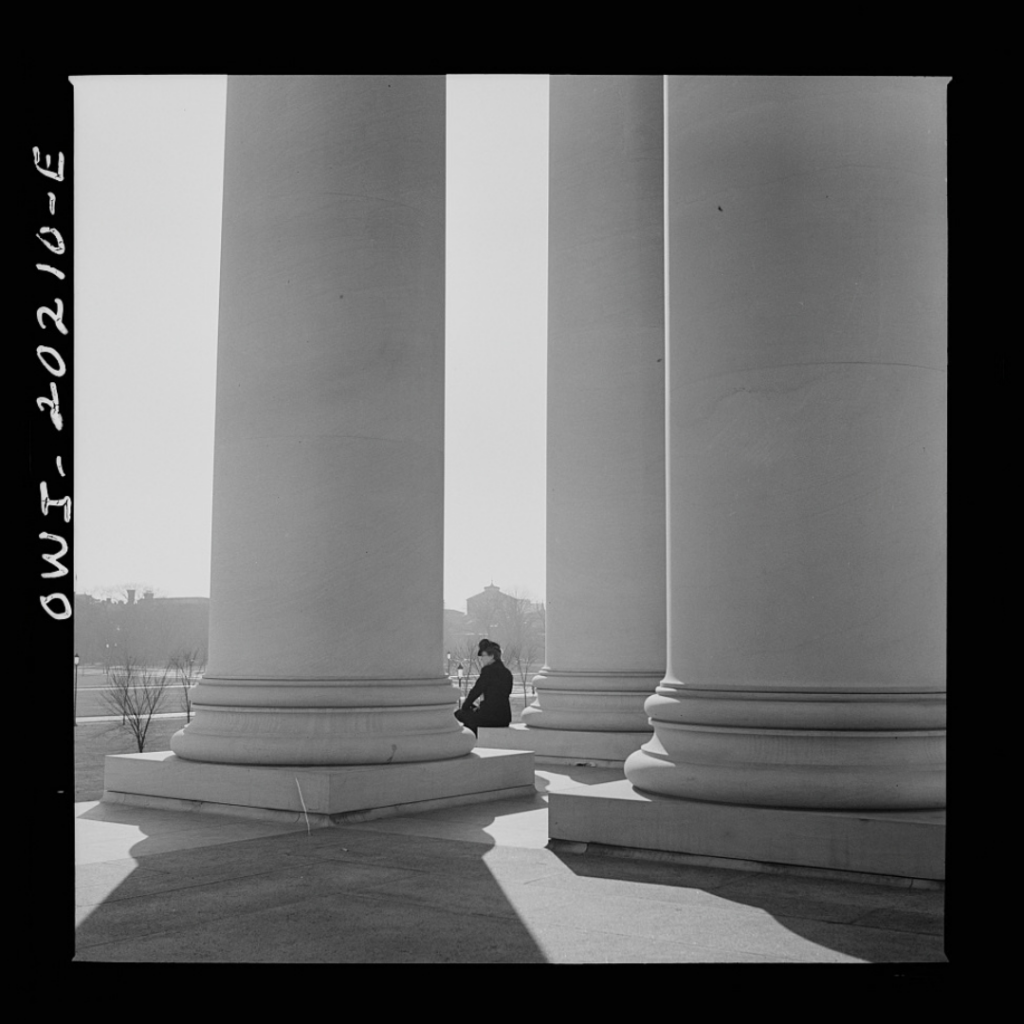
Esther Bubley’s DC: Free Photo Walk with the DC Street Photography Collective
Saturday, November 7, 2026 1–4 pm
Past Event
Wednesday, August 26, 2026 12–1 pm
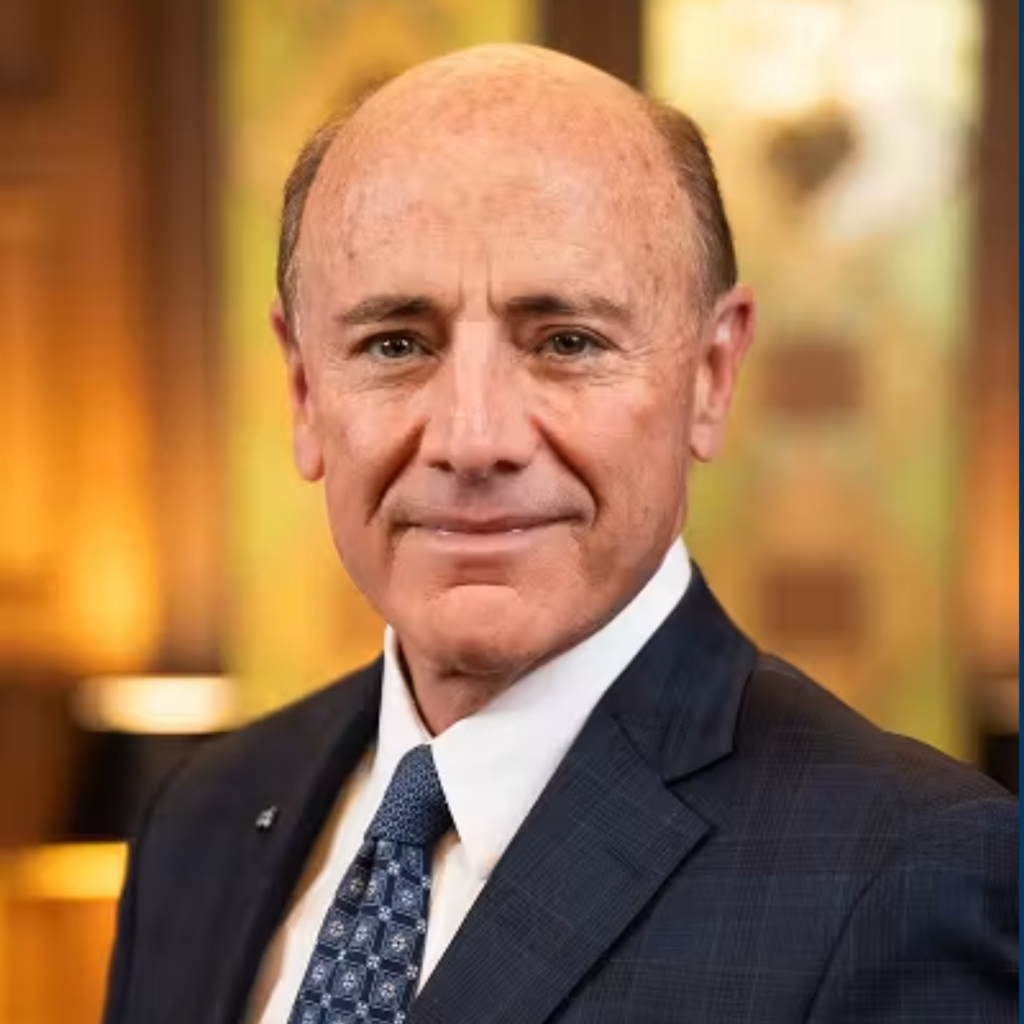
The House Un-American Activities Committee (HUAC) left an indelible mark on American politics, culture, and the performing arts. In this lecture, Dr. Carlos Campo explores the origins of the committee, the climate of fear that fueled its investigations, and the profound impact they had on Hollywood and the American theater. Particular attention will be given to the Hollywood Ten and the broader blacklist, examining how questions of conscience, loyalty, and artistic freedom became defining issues for an entire generation of writers, actors, and filmmakers.
Drawing on his doctoral research, Dr. Carlos Campo, PhD, President and Chief Executive Officer of Museum of the Bible, examines the deeply personal and ideological rupture between playwright Arthur Miller and filmmaker Elia Kazan—a conflict that became one of the most enduring moral debates of the twentieth century and ultimately inspired Miller’s masterpiece, The Crucible. Their story serves as a window into the difficult choices faced by artists confronting immense public and private pressures during the Red Scare.
The lecture also offers a personal perspective through the experience of Dr. Campo’s uncle, Academy Award-winning actor José Ferrer, whose appearance before HUAC illustrates the far-reaching consequences the committee’s investigations could have, even for those whose stories are less frequently told. Throughout the presentation, Dr. Campo will consider the broader cultural context in which HUAC operated, including the ways in which Jewish artists and intellectuals were disproportionately represented among those scrutinized during the blacklist era. While not the central focus of the lecture, this dimension provides an important backdrop for understanding the experiences of many members of the Hollywood Ten and others whose lives and careers were forever altered.
Combining historical scholarship, literary analysis, and family history, this lecture offers a nuanced examination of one of the most consequential periods in American cultural life, inviting audiences to reflect on the enduring tensions between national security, political dissent, artistic expression, and the courage to act according to one’s convictions.
ABOUT THE SPEAKER
Carlos Campo, PhD, serves as President and Chief Executive Officer of Museum of the Bible, where he leads the executive team and more than 300 employees in advancing the museum’s mission to invite all people to engage with the transformative power of the Bible.
Dr. Campo’s appointment follows an accomplished career in higher education, including service as the 30th president of Ashland University, president of Regent University, and chief academic officer at the College of Southern Nevada. Prior to moving to Virginia, he was a member of Nevada’s State P-21 Commission, where he was the chief architect of the state’s first dual-enrollment program, establishing a strategic continuum from preschool through college completion.
He holds honorary doctorates from the University of Vienna, Taylor University, and Indiana Wesleyan University, and was named Alumnus of the Year by the University of Nevada, Las Vegas, where his dissertation on playwright Arthur Miller was awarded “Dissertation of the Year.” A four-time honoree in Who’s Who Among American Teachers, he has also been recognized as an Outstanding Educator and Educator of the Year by local and national organizations.
Dr. Campo serves as vice chair of the National Hispanic Christian Leadership Conference, working with national leaders on educational reform and education policy, and is widely regarded as one of the nation’s most influential Latino Christian leaders. A longtime board member and former chair of the museum’s Education Committee, he brings both deep institutional knowledge and strategic vision to his role.
Dr. Campo and his wife, Karen, have been married for over 46 years and have three children and three grandchildren.