The Whole Spiel
The Language and Symbols of LGBTJews in the Federal City
August 26, 2025
This exhibition is about the history, culture, and activism of LGBTQ+ Jews in DC, from the congregations to the clubs to the Capitol. Here’s a guide to some of the language and symbols you will see represented in the galleries. What are your favorites? How have these changed in your lifetime?
Who is LGBTQ+?
This acronym stands for lesbian, gay, bisexual, trans, and queer. The plus symbol expands the term beyond these labels. (In the exhibition title, “Jew” is meant to substitute for its rhyming letter “Q”).
These words and acronyms have changed over time. You might identify with these examples, or with a different word or acronym. This might depend on your own gender and sexual identity, your background, your generation, or your region.
Symbols Seen in LGBTJews in the Federal City
Lambda: In physics, the Greek letter λ indicates energy change. In 1970, the New York Gay Activists Alliance chose the lambda as a symbol to emphasize energy in the movement.
Pink Triangle: Nazi Germany forced certain groups to wear identifying badges, including the yellow star for Jews and shapes of different colors for vagrants, political dissidents, and homosexuals. In the early 1970s, gay rights activists defiantly reclaimed the pink triangle; later activists inverted the triangle as a show of strength during the AIDS epidemic.
Red Ribbon: In 1991, the Visual AIDS Artists Caucus designed a red ribbon to visualize compassion and empathy for those living with HIV/AIDS. The ribbon became an international symbol of AIDS awareness.
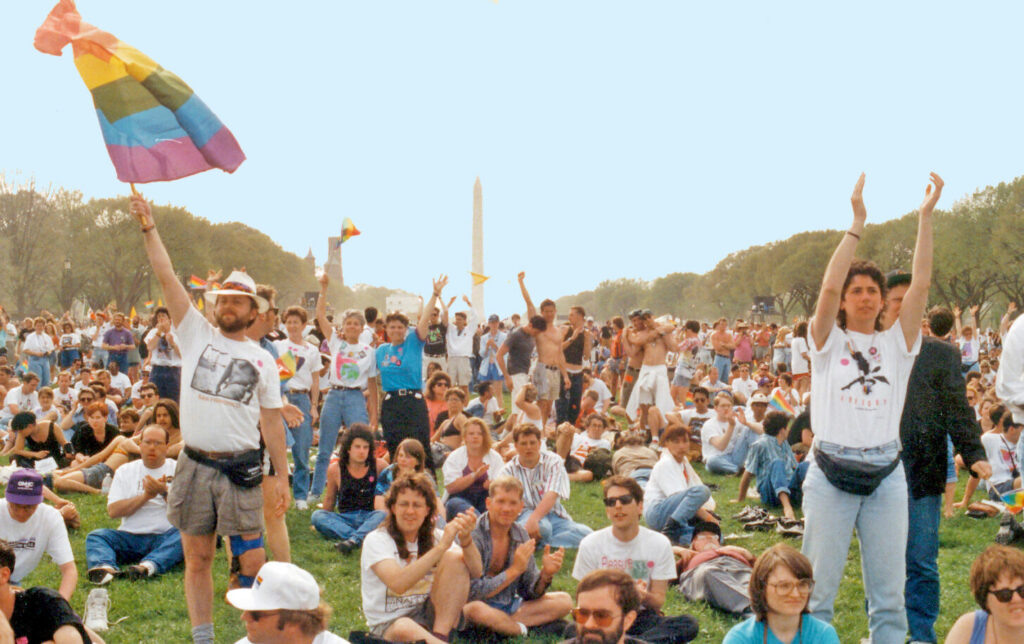
Rainbow Flag: In 1978, Gilbert Baker designed the rainbow flag in San Francisco as a symbol of the diversity of sexualities. The chevron representing BIPOC and trans people was added in 2018. Activists have since chosen colors and patterns for new striped flags representing a variety of identities.
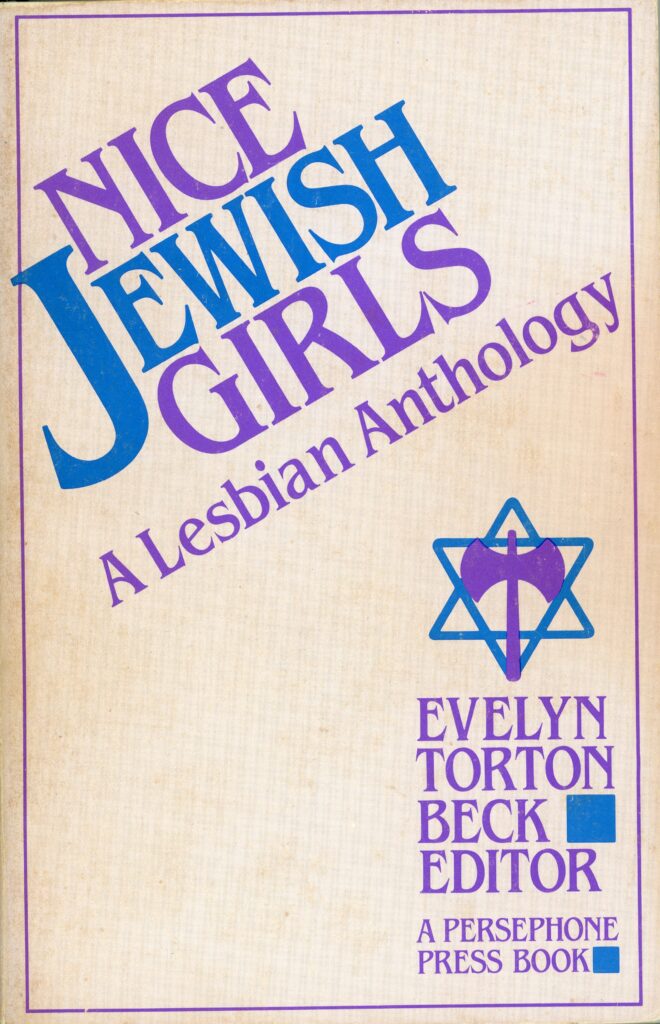
Labrys: The labrys is an ancient tool associated with the Amazons, mythical female warriors. In the 1970s, lesbians began using the double-headed axe as a symbol of strength.
Male and Female Symbols: Swedish biologist Carl Linnaeus first used planetary symbols to indicate male (Mars) and female (Venus) in the 1760s.
Jewish Ideas and Concepts Embraced in this Exhibition
The Jewish value of tikkun olam, repairing the world, is exemplified by those who have worked in social justice movements to make policies, laws, and society more open and affirming for gender non-conforming people and those of all sexualities.
Hachnasat orchim, welcoming guests, encourages us to create inclusive, hospitable spaces for visitors, affirming the dignity and worth of all.
The Jewish values of bikur cholim, visiting the sick, and pikuach nefesh, the preservation of life, remind us to care for and to be responsible for one another.
The value of teshuvah, returning to our better selves, reminds us that there is always room for improvement and change.
Judaism teaches, as it is written in the book of Genesis, that every person is created b’tzelem Elohim, in the image of God. Each identity is true and precious.
This exhibition follows the Talmudic principles of ongoing study, conversation and active participation.
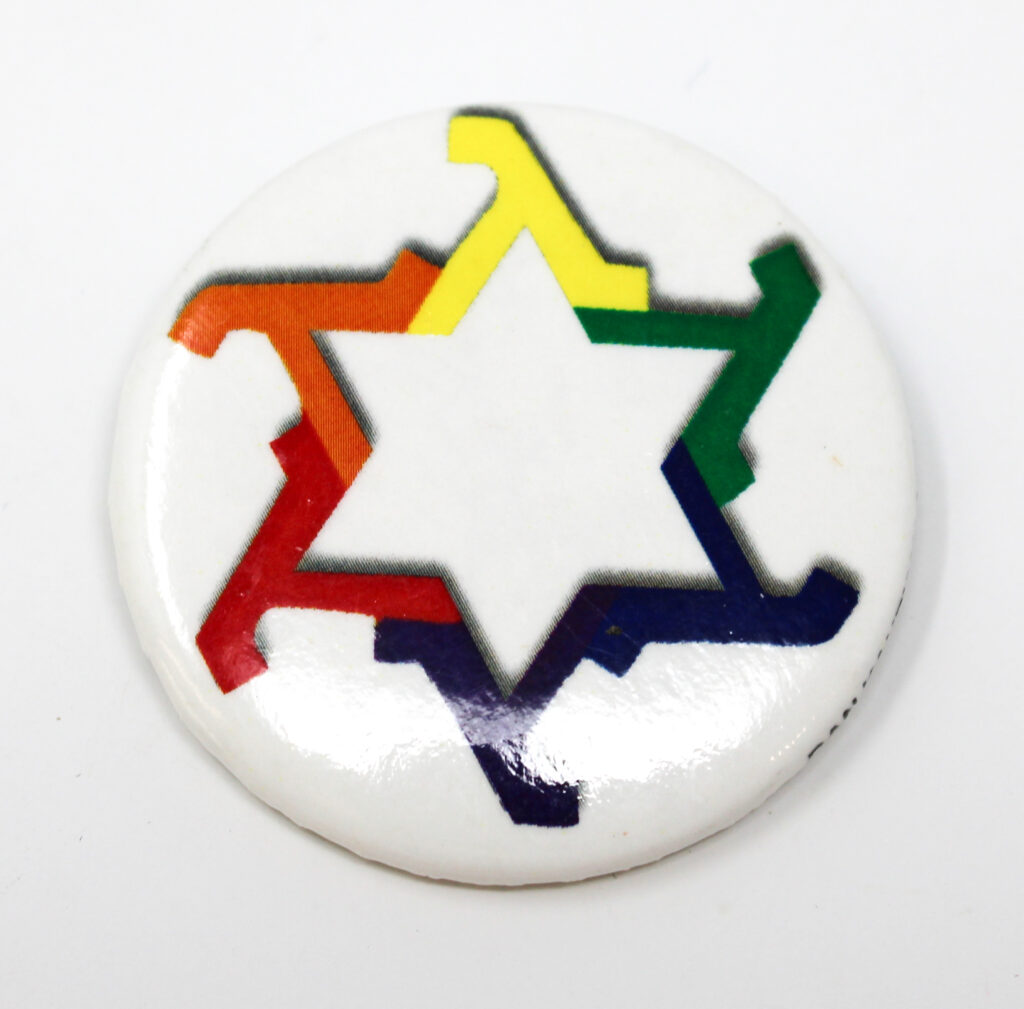
Button featuring interlocking, rainbow-colored lambda (Greek letter) in the shape of a six-pointed star; the logo of Bet Mishpachah, the LGBTQ+ synagogue of Washington, DC, ca. 2010s. Lillian and Albert Small Capital Jewish Museum Collection. Gift of Michael Garbus
Button featuring interlocking, rainbow-colored lambda (Greek letter) in the shape of a six-pointed star; the logo of Bet Mishpachah, the LGBTQ+ synagogue of Washington, DC, ca. 2010s. Lillian and Albert Small Capital Jewish Museum Collection. Gift of Michael Garbus
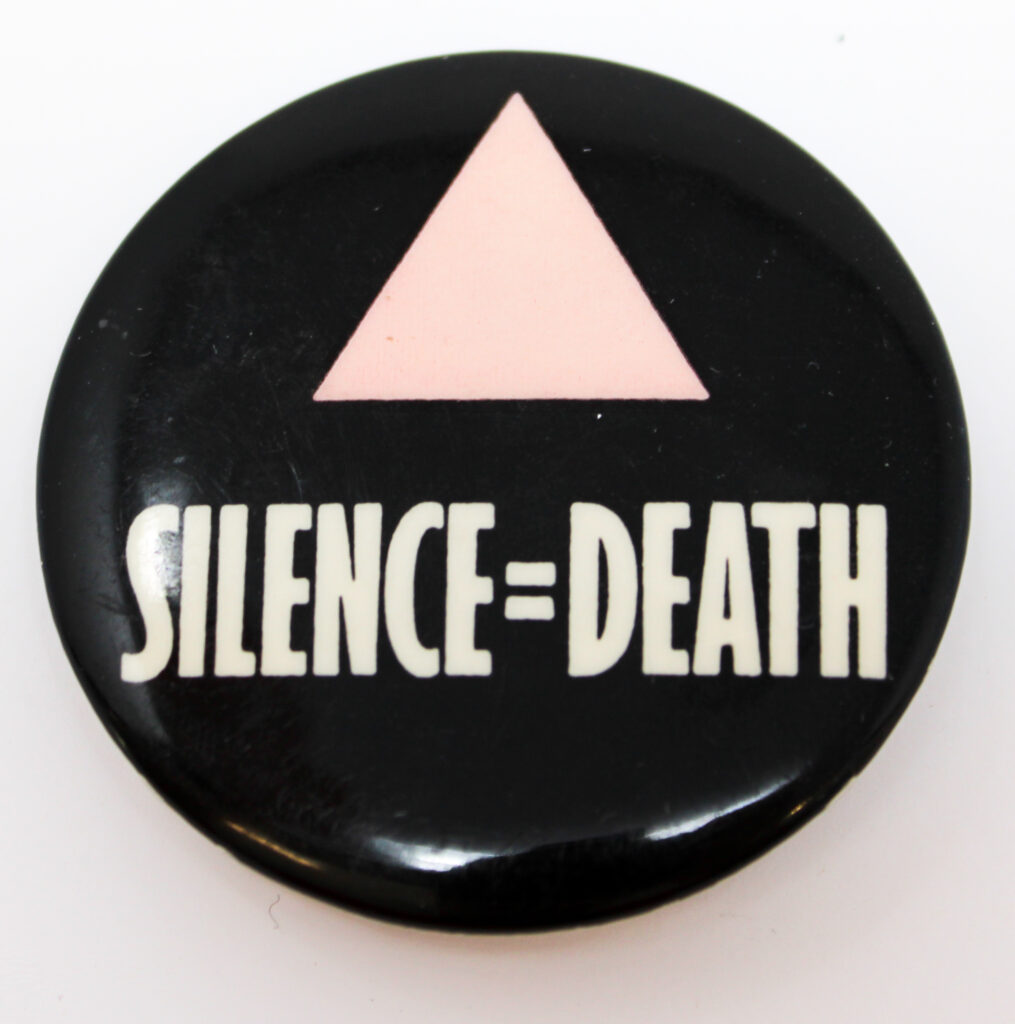
Black button featuring a pink triangle above the statement "silence=death," ca. 1987. Lillian and Albert Small Capital Jewish Museum Collection. Gift of Michael Garbus
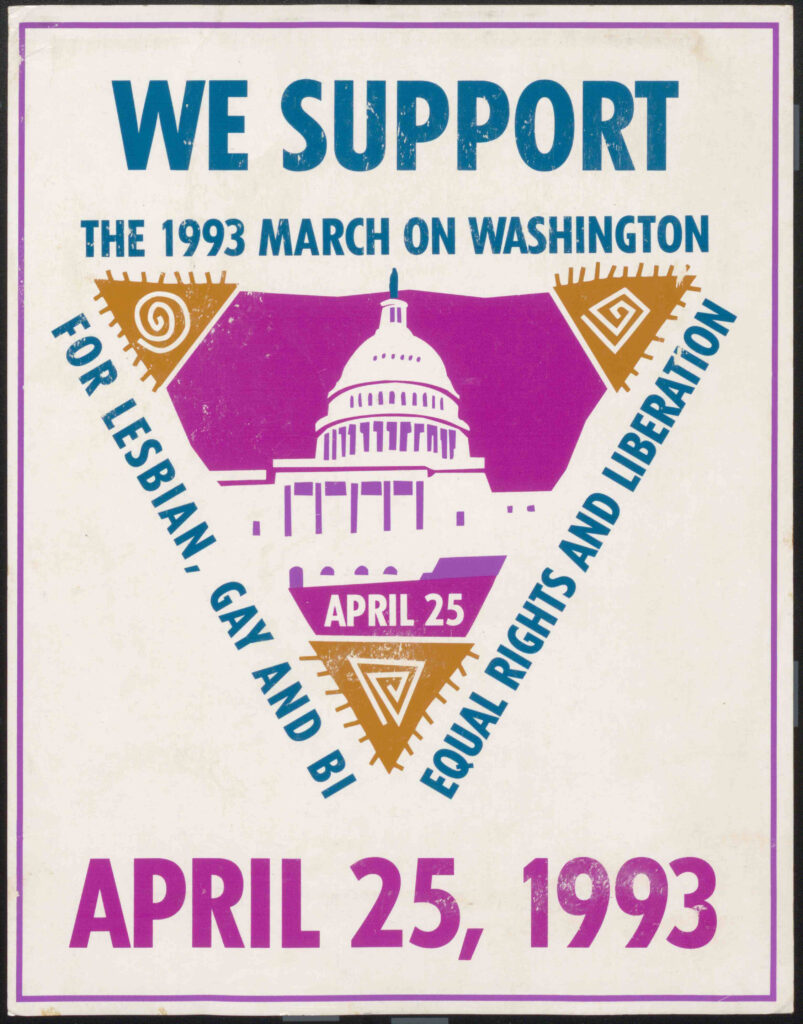
Poster, March on Washington for Lesbian, Gay & Bi Equal Rights and Liberation, 1993. On loan courtesy of Rainbow History Project, Cheryl Spector Collection